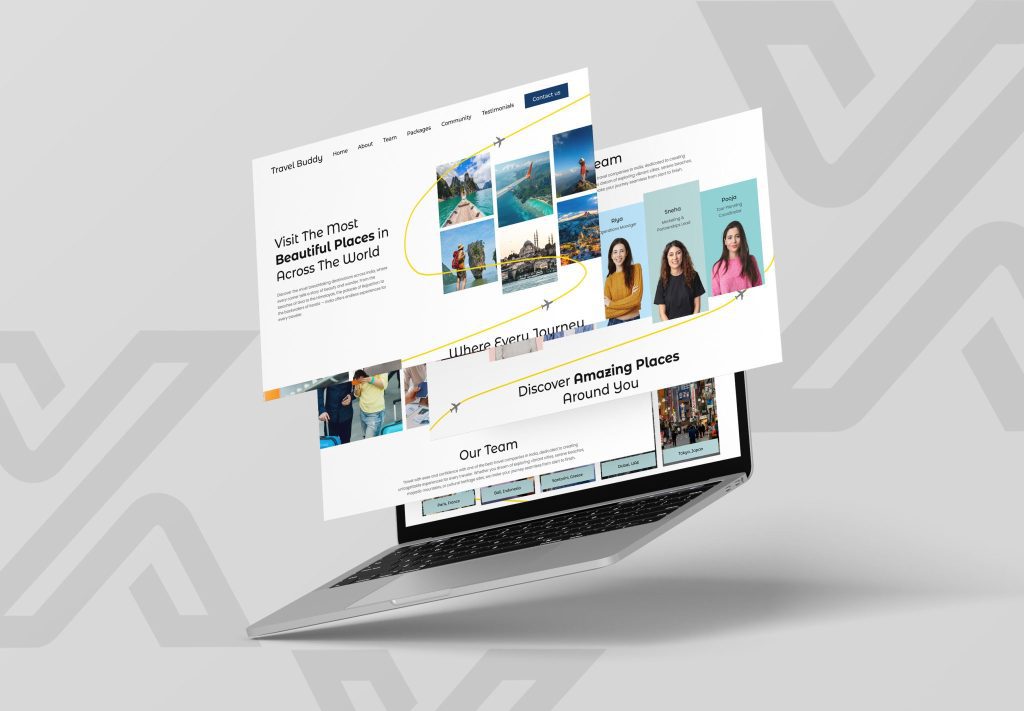
How to Choose the Right Website Template for Your Startup or Agency
In the fast moving digital landscape, launching a website from scratch can turn into a real bottleneck , especially when you’re trying to move fast. For modern startups, and even for digital agencies, spending time on repetitive setup, inconsistent layouts, or code that just feels messy is kind of not acceptable anymore. You need momentum, you need instant credibility, and you need to bring ideas to life, right now-ish.
This is where design ready website templates start to matter. Picking a pre-built layout is like taking a shortcut that can let you go live in hours instead of weeks. Still, there’s a catch: if you grab the wrong template, you may end up with something rigid and slow, and honestly, it might not convert the way you expected.
So, if you want a choice that actually grows with you, keep this guide close when you’re selecting a website template for your startup or your agency.
1. Look for Modern, High-Performance Tech Stacks
A good looking layout, it means less if the actual code is kinda stale. For practical usability and quick performance, don’t get stuck with heavy old frameworks, instead go with a modern front-end ecosystem, you know the kind.
So when you’re checking for real structural quality, focus on templates that are built with stuff like
- React & Next.js: useful for making interactive, component-driven interfaces, plus it supports server-side rendering so pages can land fast. If you are building a highly dynamic web application, finding a premium react website template ensures your foundational architecture is built for speed and fluid user experiences.
- Tailwind CSS or Bootstrap: these utility first frameworks basically make it easy to get a responsive grid, and the styling stays modular, so tweaking the design feels quicker and more natural.
- TypeScript & SCSS: good for keeping the codebase clean and scalable while you also get type-safe logic, especially when the project starts growing.
If you choose a premium stack, you’re basically picking an optimized delivery setup where neat design blends with strong code from the start, without all that extra fuss.
2. Prioritize "SEO-Optimized from the Start"
Organic traffic is sort of the lifeblood of any growing agency or startup really. A premium template shouldn’t only look stunning, it has to be engineered for search engines, not just dressed up.
Top template marketplaces , like Themixly, tend to bake in performance into almost every pixel. An SEO-ready template includes semantic HTML markup, tuned meta tags, plus quick loading speeds. The high performance layouts by themselves lower bounce rates, and they also help pages get indexed on search engines faster, which gives your business this immediate visibility advantage.
3. Insist on a Fully Responsive, Pixel-Perfect UI
Since most of the global web traffic comes from mobile devices , responsive layout is basically a must have thing. The people you’re trying to reach, along with potential investors, will likely be looking at your site from smartphones , tablets, and that wider desktop screens too.
Make sure the template you go with has a fully responsive setup and a clean, pixel perfect UI that slides smoothly between all device sizes. Also, if you test the live preview on your phone before paying , you’ll catch if the navigation still works, the visuals or images adjust the right way, and the call to action buttons remain tappable.
4. Evaluate Customization Flexibility and Clean Code
Agencies regularly manage unique client demands, while startups shift strategies frequently. If your template features a chaotic codebase, making minor adjustments can break your entire layout.
Look for a template that promises a clean, developer-friendly codebase featuring clear components and a scalable structure. Modular blocks allow frontend developers or creators to easily customize layouts, swap out brand colors, and add complex features without starting from zero. Ultimately, a flexible template reduces repetitive setup time by up to 75%, allowing you to focus on core functionality and client alignment.
5. Align Features with Your Specific Business Niche
Every business model needs its own kind of interactive stuff, you know? When you browse the collections, make sure the template has those dedicated, built in blocks that actually match what you’re trying to do— not just random sections.
- For Startups & SaaS: try to spot structured hero areas with product mockup spots, feature contrast grids, tiered pricing charts that come with toggle switches, and early-access email capture forms. That way it feels cohesive and it moves people forward fast.
- For Digital & Creative Agencies: lean toward high-impact portfolio layouts, client success story sliders, plus case studies, and also integrated team profiles. Basically show off your web wizards, and your design experts, in a way that feels deliberate, not just “here’s our work I guess.”
- For Service Niche Markets: if you’re building for a client in healthcare, logistics, or hospitality, look for the more specific functions. Like secure contact forms, FAQ accordions for objection handling, appointment booking widgets, and blog support to build real industry authority over time.
6. Check for Regular Updates and Dedicated Tech Support
Web standards, browser requirements, and security patches evolve constantly. A template that’s abandoned by its creator, will slowly become a security risk or start breaking during browser updates, you know?
So it helps to always pick templates from providers you can trust, ideally ones that commit to regular updates and give friendly tech support. When you know you effectively have lifetime access to improvements, plus a dedicated support team standing by when a bug pops up, it gives real peace of mind, particularly for high-trust client rollouts.
Why Top Teams Choose Themixly to Launch Faster
If you want to dodge the headache of doing a whole build, yet still deliver premium usability , Themixly shows up with a curated marketplace of professional website templates, made specifically for developers , startups, and agencies.
So whether you’re after a dynamic React layout, a clean Next.js framework, or a dependable wordpress website template that allows for easy content management and no-code modifications, Themixly’s designs are tuned to help you work smarter. And since the templates are optimized for about 90% faster launch times, plus an 80% boost in development productivity, Themixly kind of bridges that gap between speed and quality .
Final Thoughts: Design Smarter, Launch Faster
Choosing the right website template isn’t only about grabbing a layout that looks good , it’s really a strategic business move. For a startup or a digital agency, the best template works like a flexible framework, somehow that lines up modern tech stacks with tidy developer friendly code. When you lean into mobile responsiveness, SEO work, and niche specific add-ons, you make sure the site can grow smoothly as your company evolves.
Also don’t let the same repetitive setup, or overly complex coding, slow down your progress. If you tap into high performance, ready to use options from reputable marketplaces like Themixly, you can shave off development time, ship sooner with less worry, and put your focus on what matters most: expanding your brand and delivering real, exceptional value for your clients.